
Azienda Agricola Masseria Gioia
In dettaglio
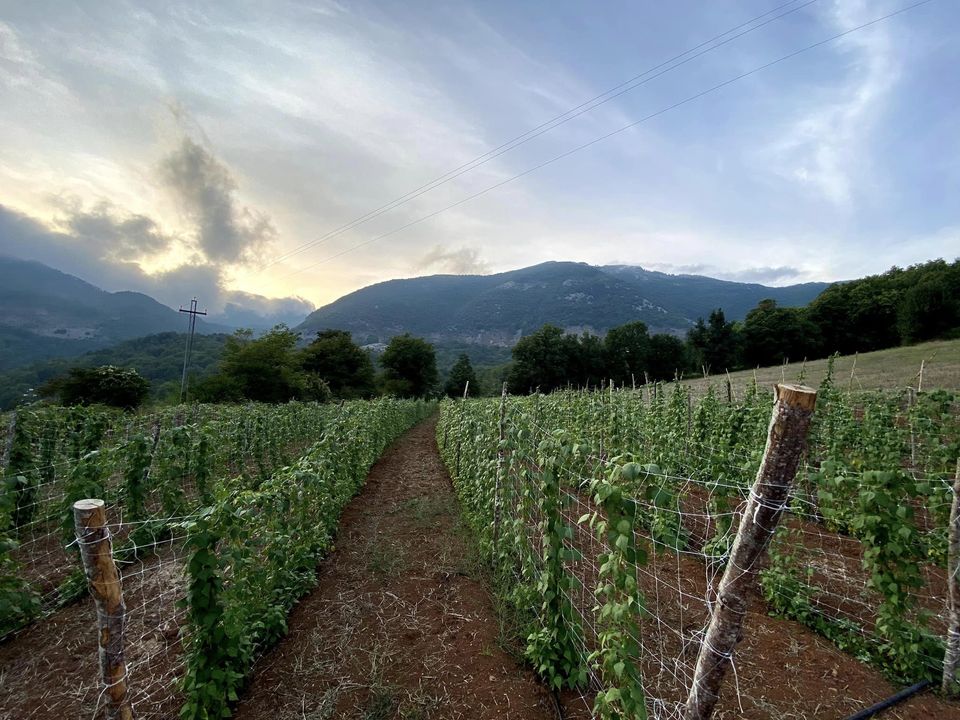
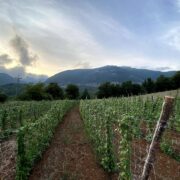
 Nel cuore della Calabria a Laino Borgo (cs), in contrada Iannello, tra le colline del Parco Nazionale del Pollino, a 600 metri sul livello del mare, immersa in un paesaggio incontaminato tra campi coltivati, noccioleti, querce secolari e ciliegi spontanei sorge l’Azienda Agricola Masseria Gioia.

L’azienda nasce nel 2014 a seguito di un’ eredità familiare: un’antica masseria di circa 40 ettari, composta da un imponente casolare con corte, terreni seminativi e bosco. Nel corso degli anni, la proprietà è stata oggetto di un attento recupero e valorizzazione. Gli spazi un tempo destinati ai coloni sono stati ristrutturati e trasformati in accoglienti camere per gli ospiti, mentre l’ antica l’abitazione del proprietario terriero. – che in passato svolgeva anche la funzione di piccola scuola rurale per i bambini della contrada – è stata anch’essa recuperata e riconvertita in un luogo dedicato all’ospitalità e al benessere, nel rispetto della memoria storica del luogo.
Fino agli anni ‘70 la masseria era organizzata secondo il sistema della mezzadrìa: i terreni venivano destinati alla coltivazione di cereali e ortaggi, oltre che al pascolo, mentre il bosco forniva legna da ardere e frutti spontanei, come ghiande e castagne, utilizzate per l’ alimentazione animale.
Oggi l’azienda porta avanti un modello di agricoltura tradizionale e biologica, orientato alla sostenibilità ambientale e alla riscoperta delle coltivazioni storiche del territorio, integrando l’ attività agricola con l’ offerta di turismo esperienziale autentico e consapevole.
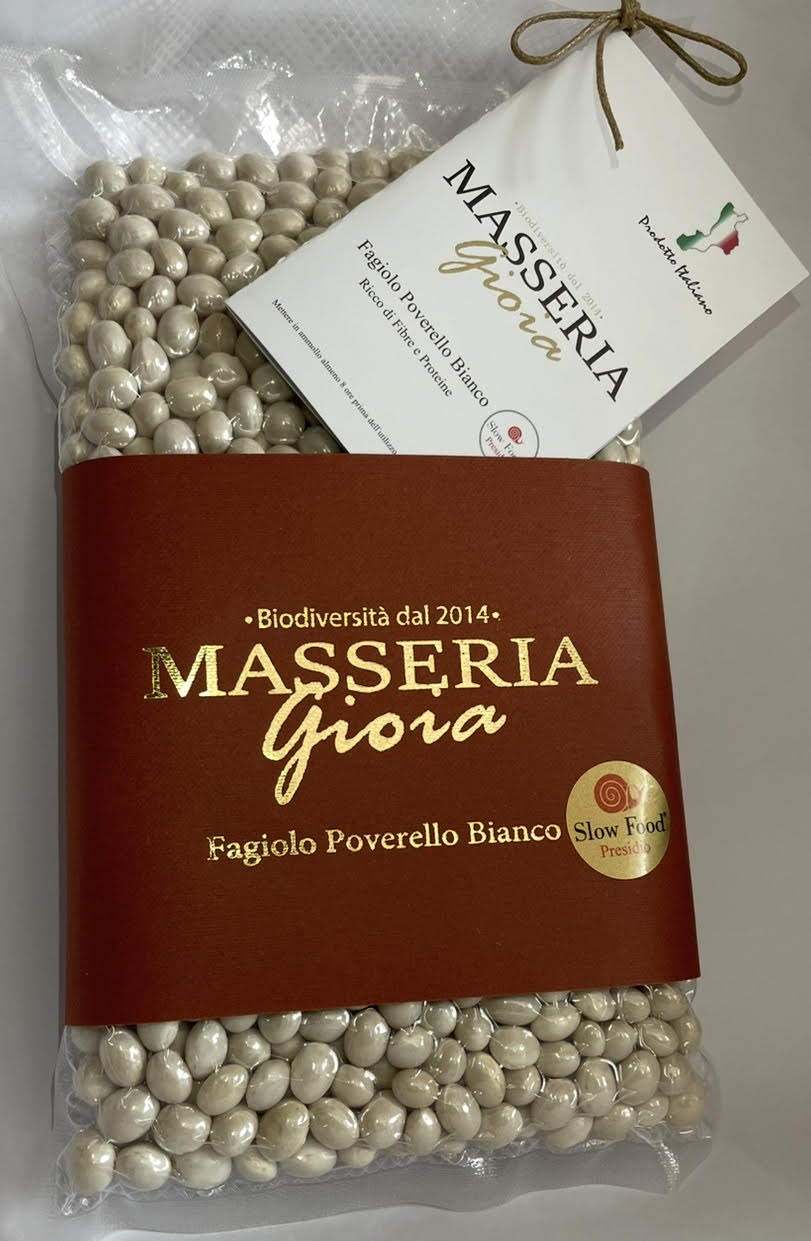
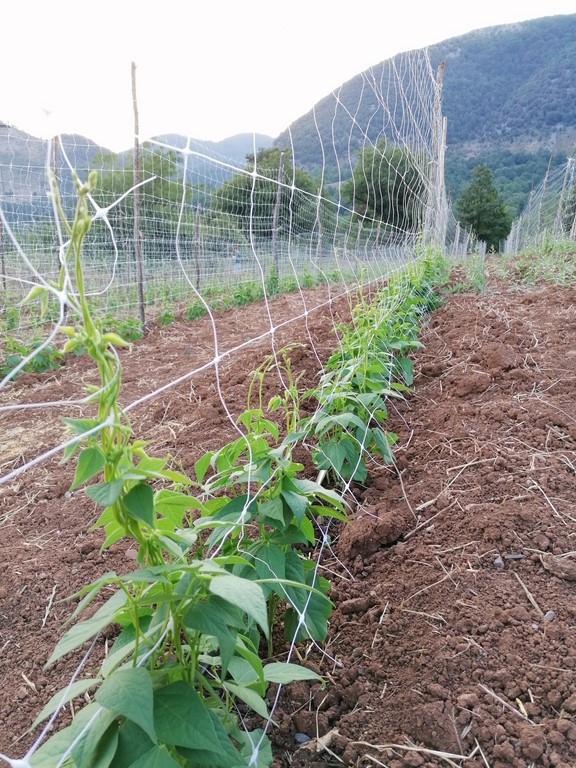
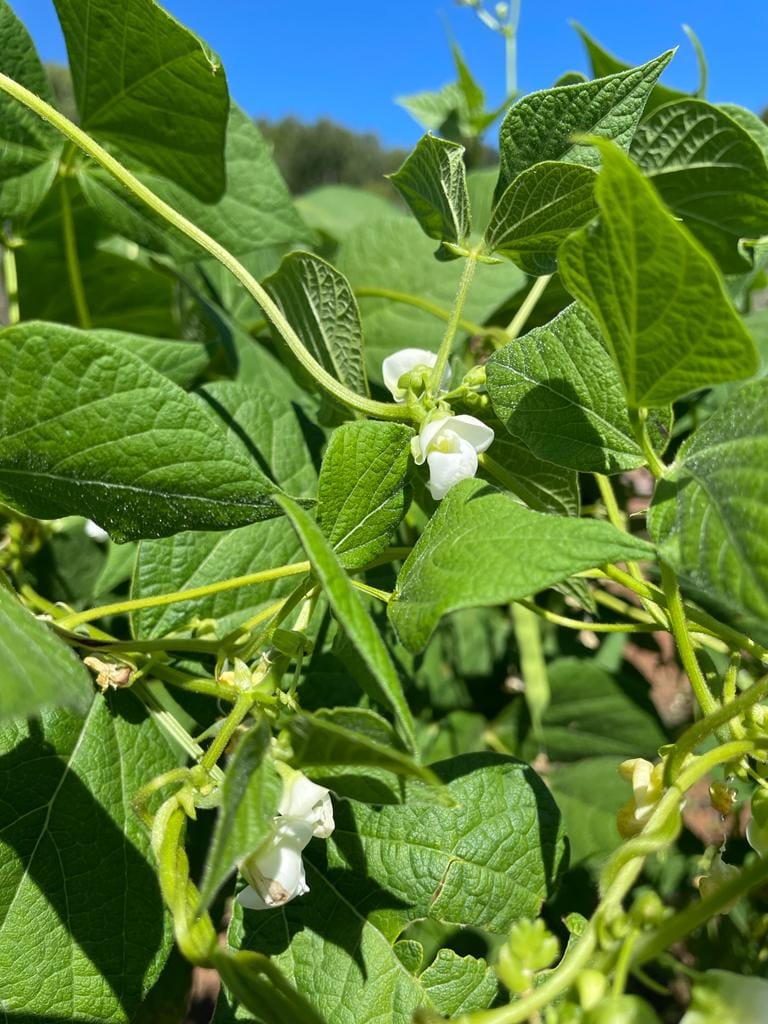
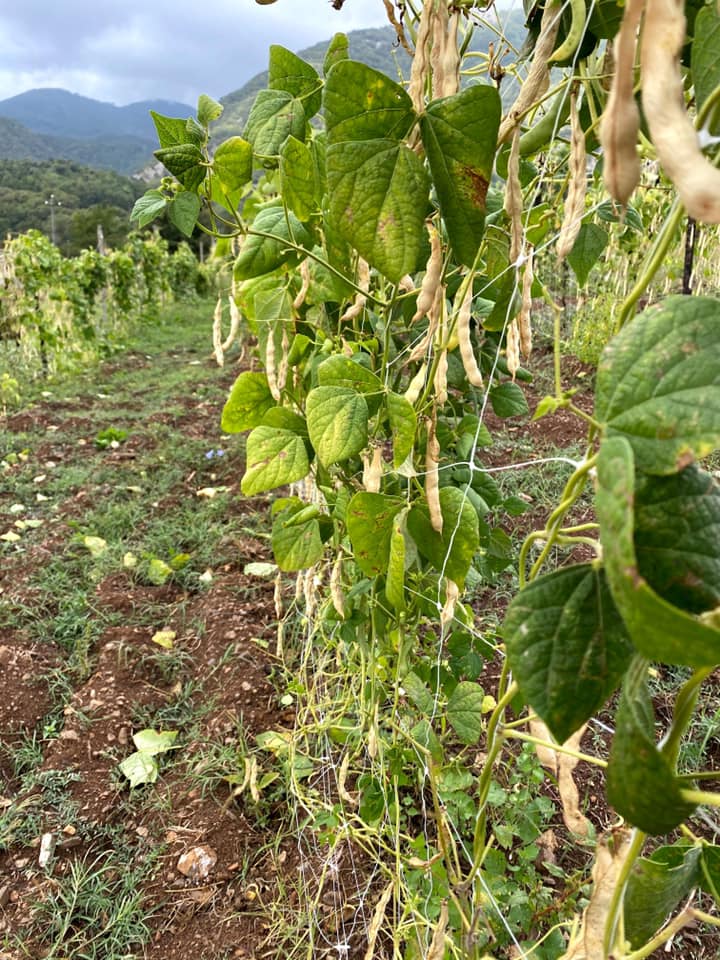
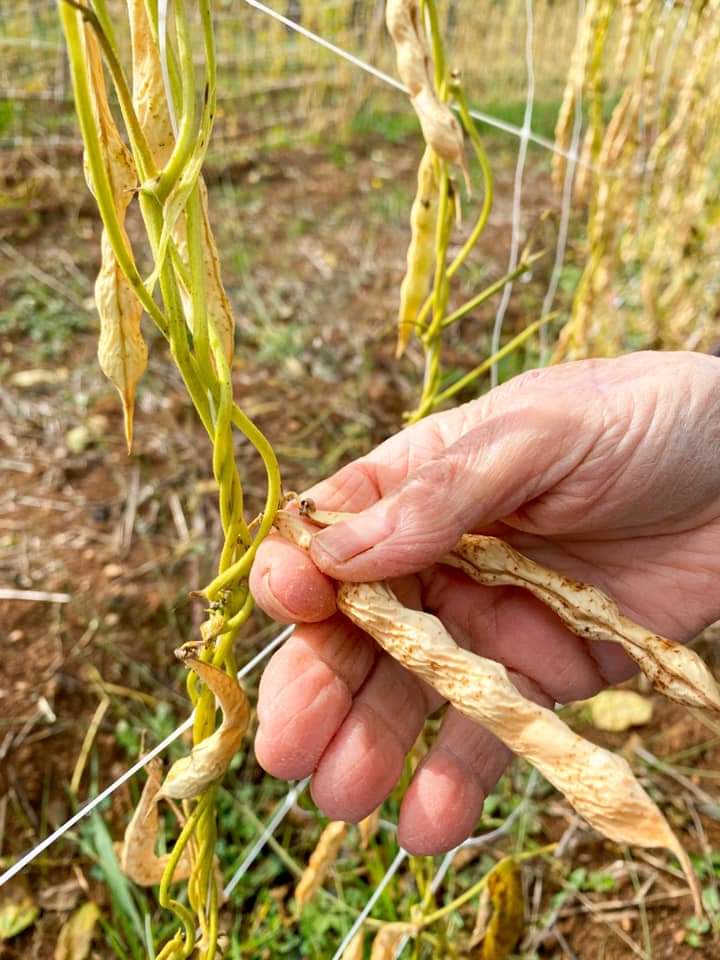
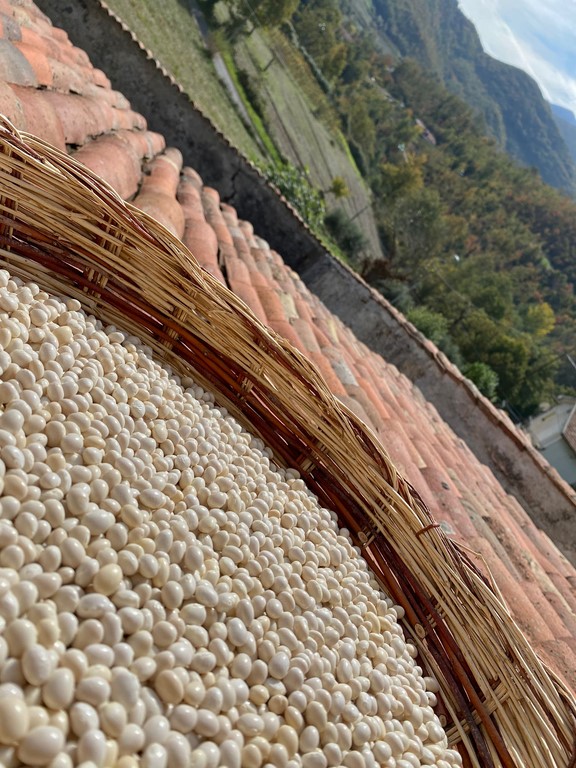
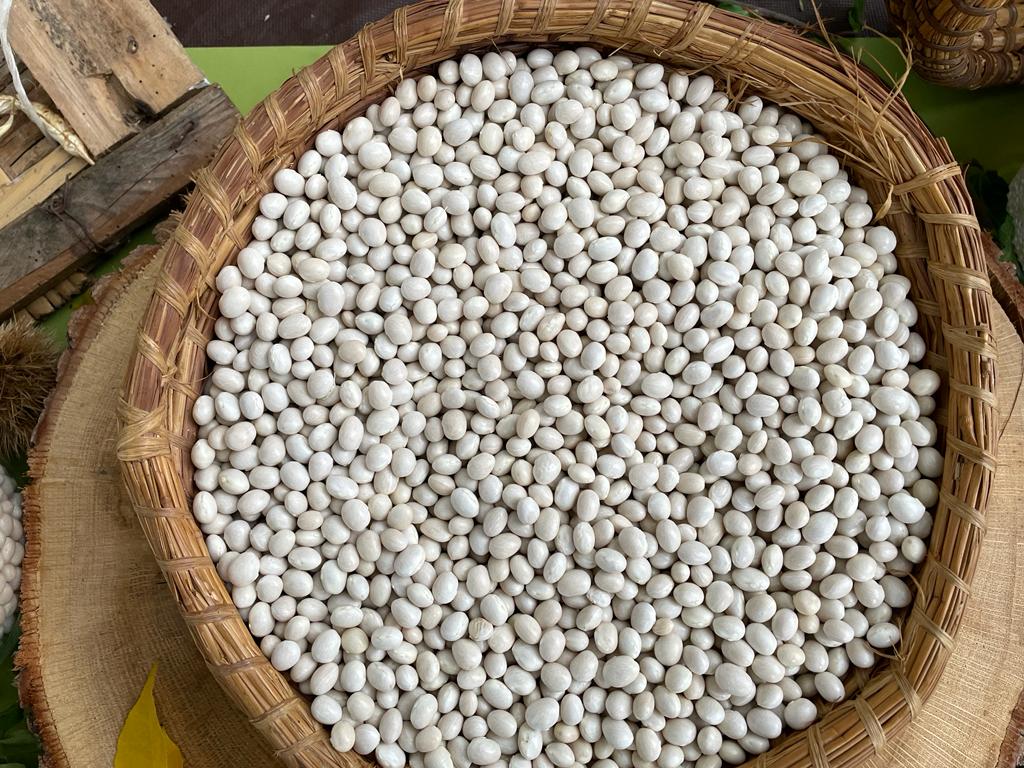
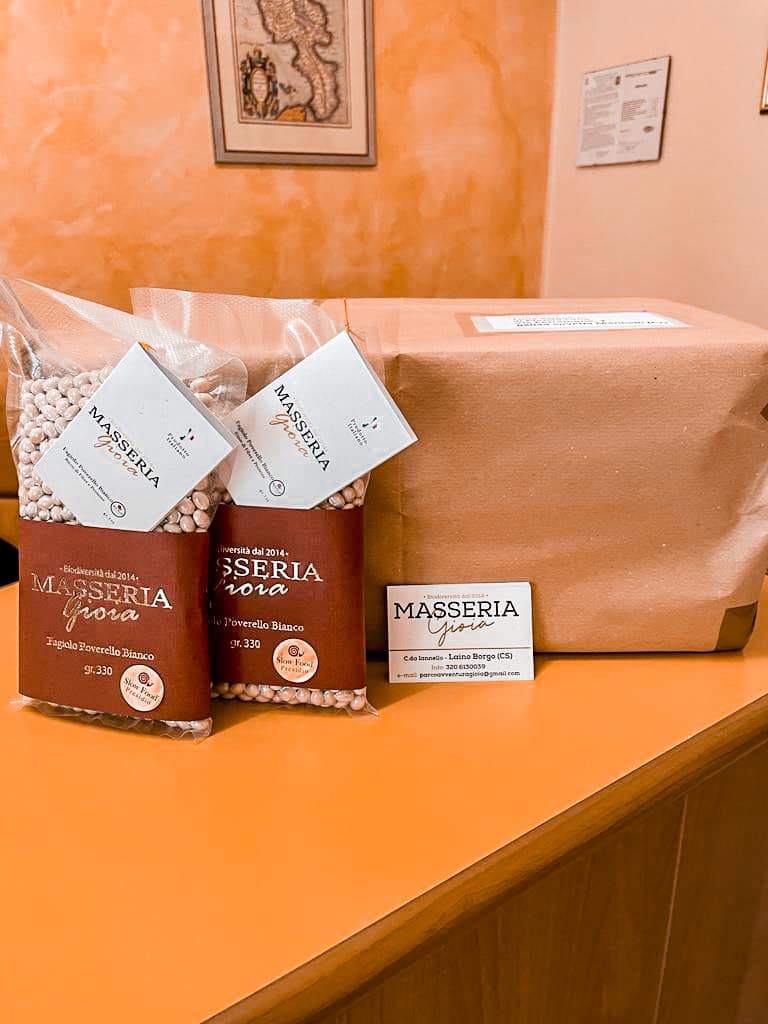
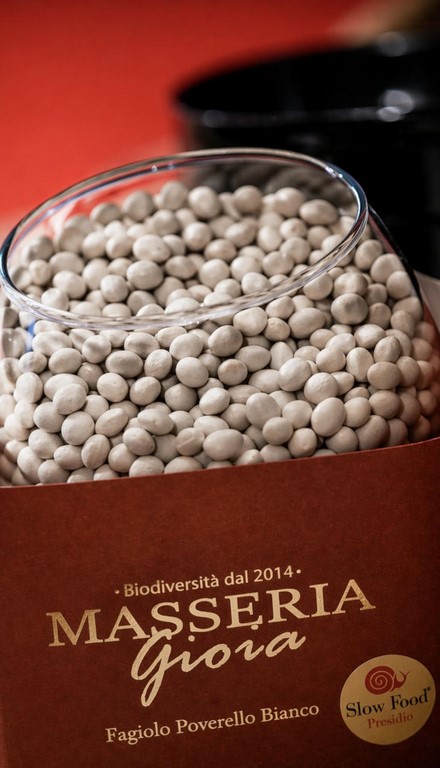
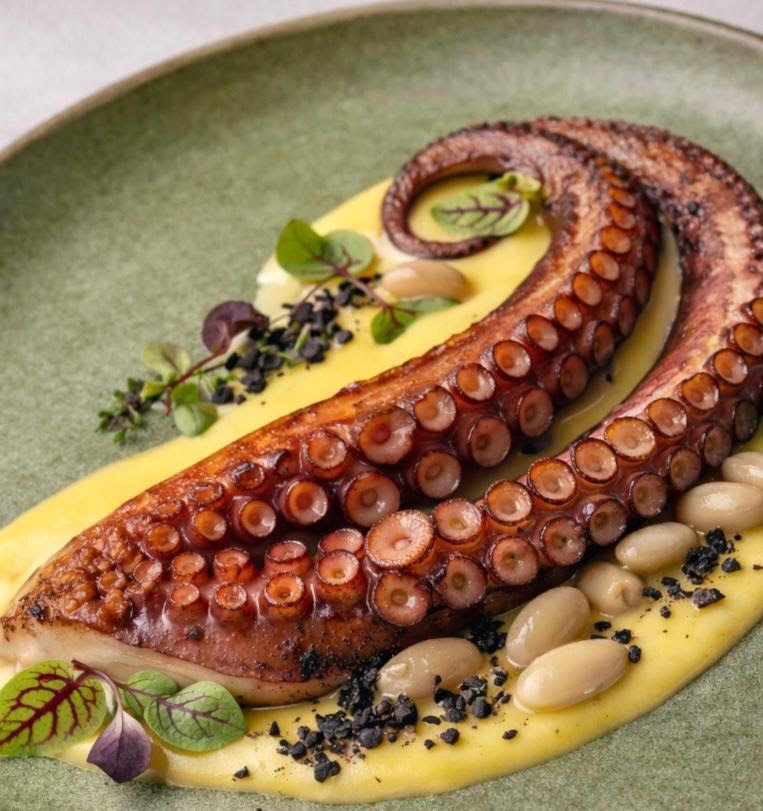
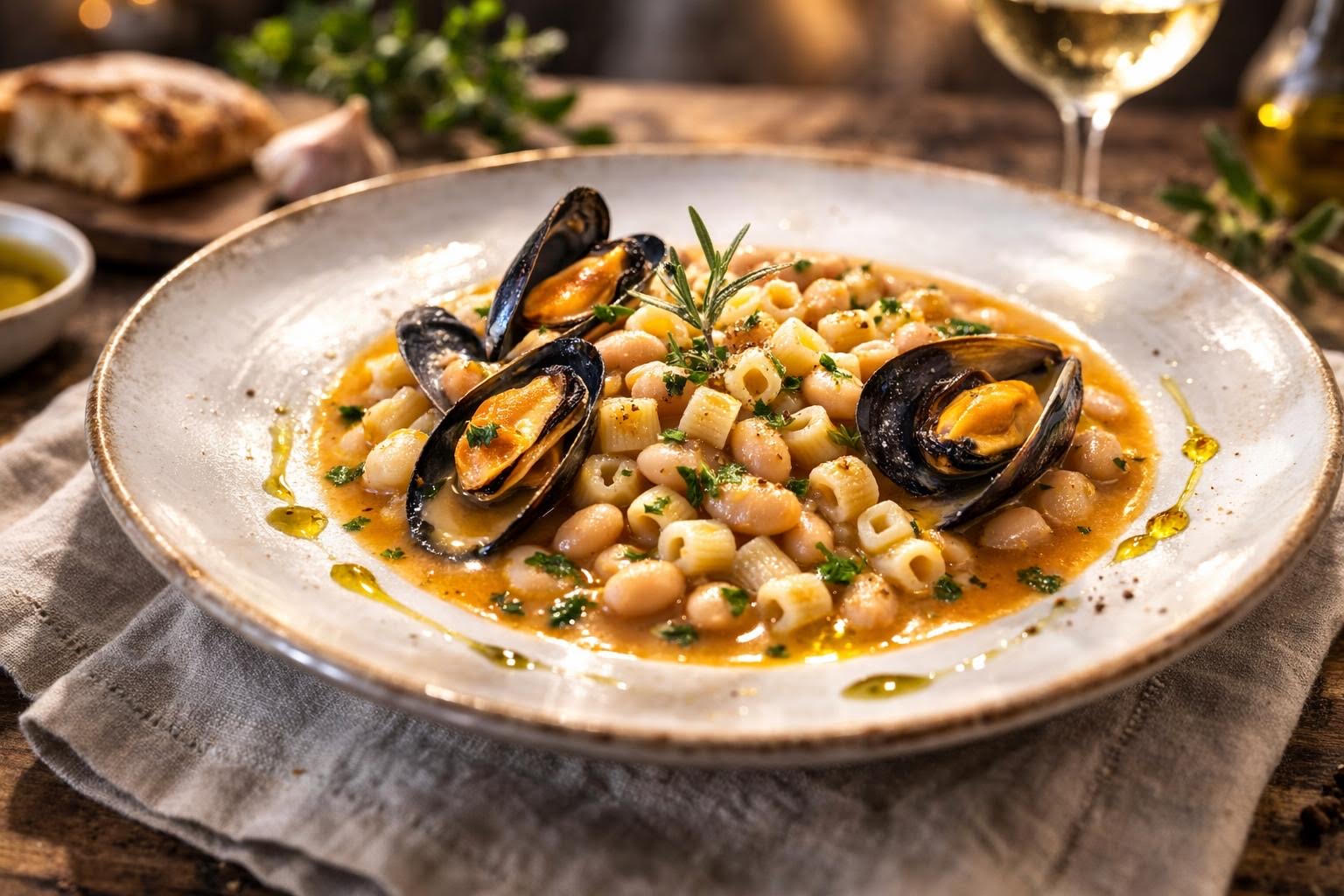
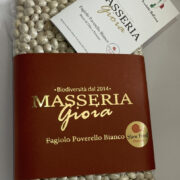
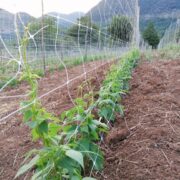
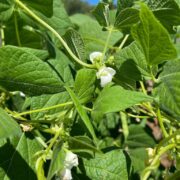
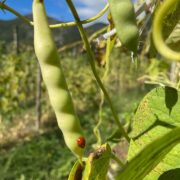
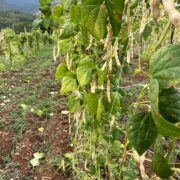
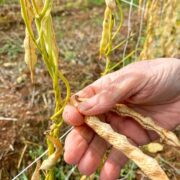
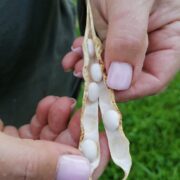
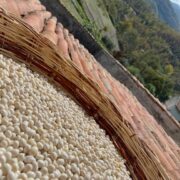
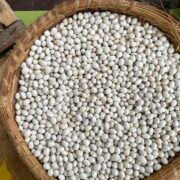
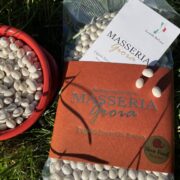
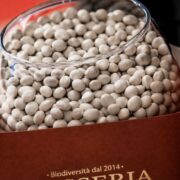
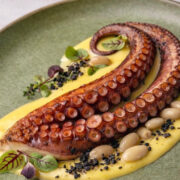
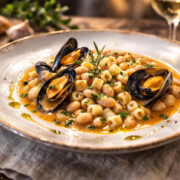
Elemento identitario e simbolo della mission aziendale è il Fagiolo Poverello Bianco, noto come “Carne dei Poveri “ varietà autoctona tramandata di generazione in generazione. La coltivazione avviene ancora secondo metodi tradizionali, con lavorazioni manuali che vanno dalla semina alla raccolta, fino alla selezione del seme per le stagioni successive; inizialmente prodotto in quantità limitate, nel tempo ha conosciuto una crescente valorizzazione, ottenendo riconoscimenti sia a livello nazionale che internazionale. Già da qualche anno il nostro prodotto viene degustato sulle tavole parigine presso l’Emporio Armani, Caffè & Mori, Venice Bar di Parigi preparato dallo chef stellato Michelin Massimo Tringali.
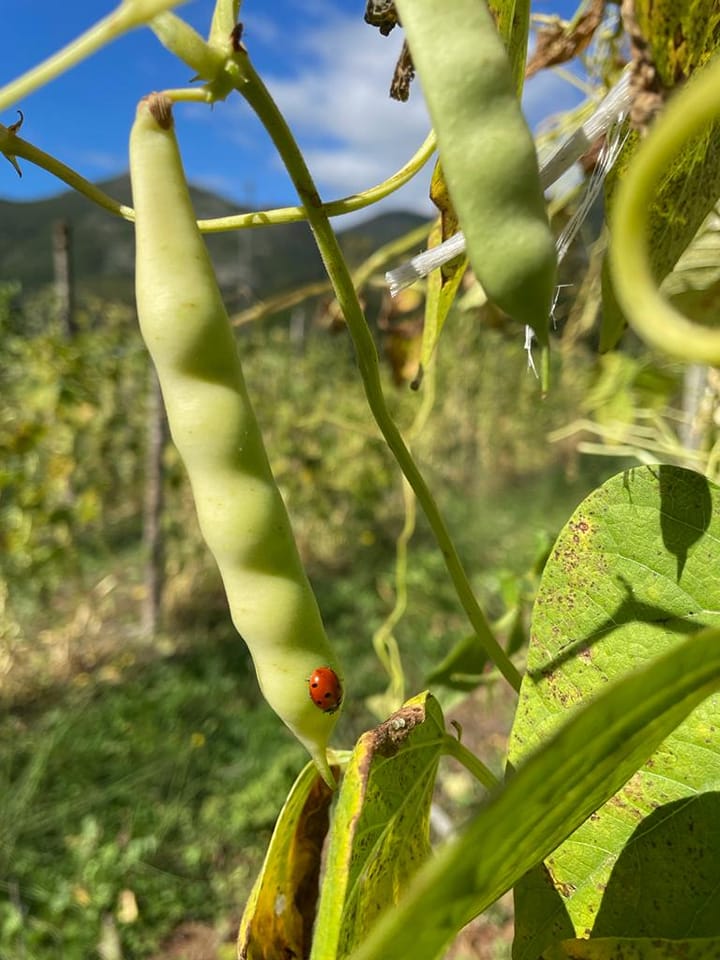
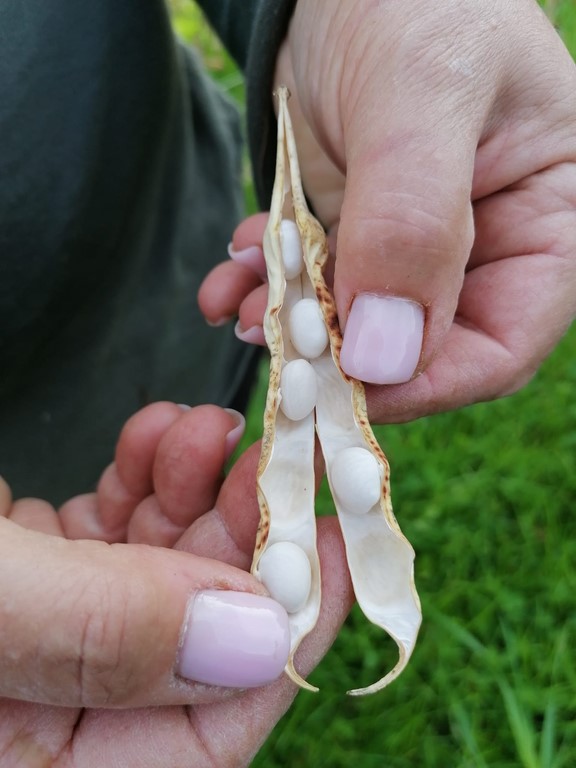
Dal punto di vista qualitativo, il Fagiolo Poverello Bianco si distingue per il tegumento estremamente sottile, quasi impercettibile al palato, e per l’ elevato contenuto di proteine solforate – rare in altri legumi – oltre che le fibre.
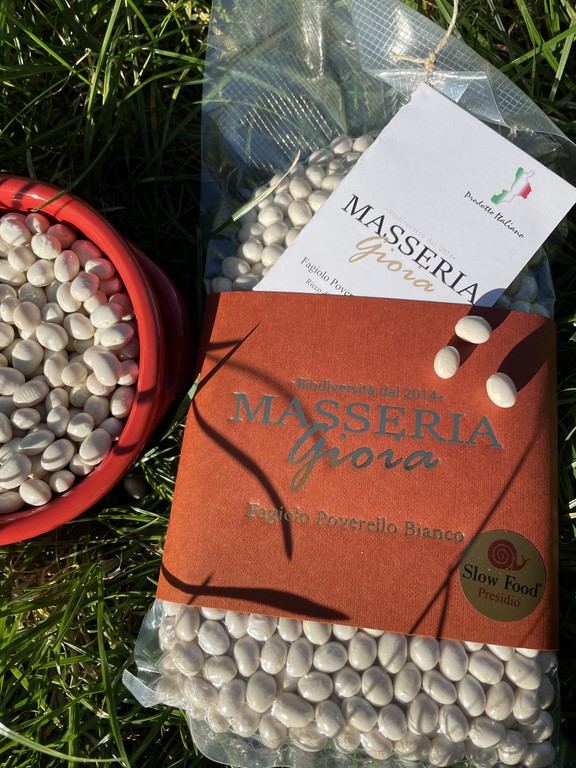
Prodotto identitario dei comuni Laino Borgo, Laino Castello e Mormanno, il 30 luglio 2019 ha ottenuto il riconoscimento De. Co. (Denominazione Comunale); successivamente il 19 agosto 2021 è stato inserito tra i Presidi Slow Food – premiato per tre anni consecutivi da Slow Beans, per la sua delicatezza e qualità, contribuendo così alla valorizzazione del territorio e alla promozione di un’ economia agricola sostenibile. Nel maggio 2025 è stato iscritto nel Registro Regionale della Biodiversità agraria e alimentare della Regione Calabria.
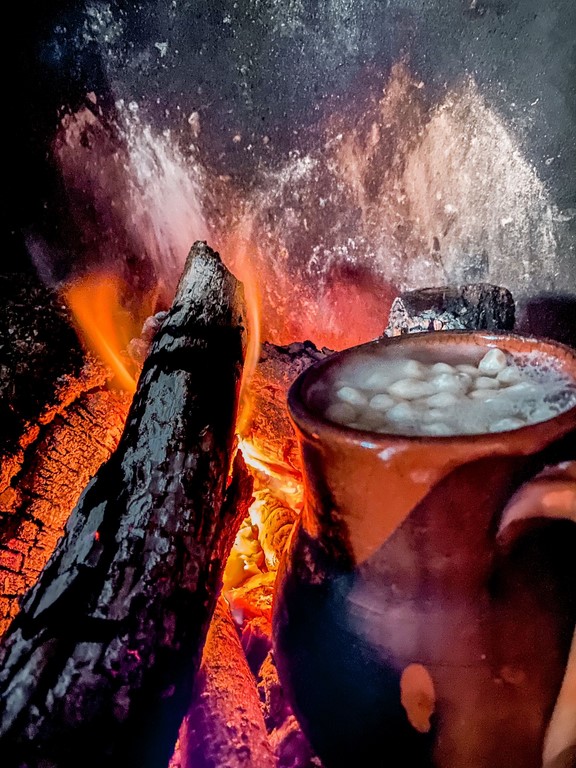
Anche nelle modalità di preparazione si evidenzia l’ unicità del prodotto: rispetto ad altri legumi richiede un ammollo di circa cinque ore, e, dal momento del bollore, è pronto in circa un’ ora di cottura, mantenendo intatte le proprie caratteristiche organolettiche.
La mission di Masseria Gioia si fonda su un forte radicamento territoriale, sulla tutela della biodiversità e sulla volontà di coniugare tradizione e innovazione in un progetto imprenditoriale serio e responsabile.
L’ obiettivo è preservare il patrimonio agricolo e culturale del Pollino, trasformandolo in opportunità di sviluppo sostenibile e di crescita condivisa per il territorio.
 In the heart of Calabria, in the Iannello district of Laino Borgo (CS)—nestled among the hills of the Pollino National Park at an altitude of 600 meters above sea level—lies the Masseria Gioia farm. It is set within an unspoiled landscape of cultivated fields, hazelnut groves, centuries-old oaks, and wild cherry trees.
The farm was established in 2014, following the inheritance of an old *masseria* (estate) spanning approximately 40 hectares, which includes an imposing farmhouse with a courtyard, arable land, and woodland. Over the years, the property has undergone careful restoration and enhancement. Spaces once used by farm laborers have been renovated into welcoming guest rooms, while the landowner’s original residence—which in the past also served as a small rural school for local children—has been restored and repurposed into a space dedicated to hospitality and well-being, all while honoring the site’s historical legacy.
Until the 1970s, the estate operated under the *mezzadria* (sharecropping) system: the land was used for growing cereals and vegetables, as well as for grazing, while the woods provided firewood and wild-harvested produce—such as acorns and chestnuts—used for animal feed.
Today, the farm pursues a model of traditional, organic agriculture focused on environmental sustainability and the revival of the region’s historical crops, integrating farming activities with authentic, conscious experiential tourism.
A defining feature and symbol of the farm’s mission is the *Fagiolo Poverello Bianco* (White “Poor Man’s” Bean)—often called the “meat of the poor”—an indigenous variety passed down through generations. Cultivation still follows traditional methods, involving manual labor from sowing and harvesting to the selection of seeds for future seasons. Initially produced in limited quantities, the product has gained increasing recognition over time, earning both national and international acclaim. For several years now, it has been featured on menus in Paris—at Emporio Armani, Caffè & Mori, and Venice Bar—prepared by Michelin-starred chef Massimo Tringali.
In terms of quality, the “Poverello Bianco” (White Poverello) bean is distinguished by its extremely thin skin—barely perceptible on the palate—as well as its high content of sulfur-rich proteins (rare in other legumes) and dietary fiber.
A signature product of the municipalities of Laino Borgo, Laino Castello, and Mormanno, it received the *De.Co.* (Municipal Designation) status on July 30, 2019. Subsequently, on August 19, 2021, it was designated a “Slow Food Presidium”—recognized for three consecutive years by the *Slow Beans* network for its delicacy and quality—thereby contributing to the promotion of the local area and a sustainable agricultural economy. In May 2025, it was entered into the Regional Register of Agricultural and Food Biodiversity for the Calabria Region.
The product’s uniqueness is also evident in its preparation: unlike many other legumes, it requires only about five hours of soaking and takes roughly one hour to cook once the water reaches a boil, all while retaining its original organoleptic properties.
The mission of Masseria Gioia is rooted in a deep connection to the local territory, the protection of biodiversity, and a commitment to blending tradition with innovation through a serious and responsible business venture. The goal is to preserve the agricultural and cultural heritage of the Pollino, transforming it into an opportunity for sustainable development and shared growth for the region.
 Im Herzen Kalabriens, in Laino Borgo (Provinz Cosenza) – genauer gesagt im Ortsteil Iannello, inmitten der Hügel des Nationalparks Pollino und auf 600 Metern über dem Meeresspiegel – liegt der landwirtschaftliche Betrieb „Azienda Agricola Masseria Gioia“. Er ist eingebettet in eine unberührte Landschaft mit Feldern, Haselnusshainen, jahrhundertealten Eichen und wild wachsenden Kirschbäumen.
Der Betrieb entstand 2014 aus einem Familienerbe: einer historischen „Masseria“ (einem traditionellen süditalienischen Landgut) von etwa 40 Hektar, die ein imposantes Haupthaus mit Innenhof, Ackerland und Wald umfasst. Im Laufe der Jahre wurde das Anwesen sorgfältig restauriert und aufgewertet. Die Räumlichkeiten, die einst den Pächtern dienten, wurden renoviert und in einladende Gästezimmer umgewandelt. Auch das ehemalige Wohnhaus des Gutsbesitzers – das früher zudem als kleine ländliche Schule für die Kinder der Umgebung fungierte – wurde instand gesetzt und in einen Ort der Gastfreundschaft und des Wohlbefindens verwandelt, wobei das historische Erbe des Ortes stets gewahrt blieb.
Bis in die 1970er Jahre wurde die Masseria nach dem System der „Mezzadria“ (Teilpacht) bewirtschaftet: Die Flächen dienten dem Anbau von Getreide und Gemüse sowie als Weideland, während der Wald Brennholz und wild wachsende Früchte – etwa Eicheln und Kastanien – lieferte, die als Tierfutter genutzt wurden.
Heute verfolgt der Betrieb ein Modell traditioneller, biologischer Landwirtschaft, das auf ökologische Nachhaltigkeit und die Wiederentdeckung historischer, regionaler Anbaukulturen setzt. Dabei wird die landwirtschaftliche Tätigkeit mit einem Angebot für authentischen und bewussten Erlebnistourismus verknüpft.
Ein zentrales Identitätsmerkmal und Symbol der Unternehmensphilosophie ist die weiße Bohne „Fagiolo Poverello Bianco“ – auch bekannt als „Fleisch der Armen“ („Carne dei Poveri“). Es handelt sich um eine autochthone Sorte, die über Generationen hinweg weitergegeben wurde. Der Anbau erfolgt nach wie vor nach traditionellen Methoden, wobei alle Arbeitsschritte – von der Aussaat über die Ernte bis hin zur Selektion des Saatguts für die kommende Saison – in Handarbeit ausgeführt werden. Ursprünglich nur in begrenzten Mengen produziert, hat das Produkt im Laufe der Zeit zunehmend an Wertschätzung gewonnen und sowohl national als auch international Anerkennung gefunden. Seit einigen Jahren wird es zudem in Paris – unter anderem im Emporio Armani, im Caffè & Mori sowie in der Venice Bar – serviert, wo es vom Sternekoch Massimo Tringali zubereitet wird.
Was die Qualität betrifft, so zeichnet sich die weiße Bohne „Fagiolo Poverello Bianco“ durch ihre extrem dünne Schale aus, die am Gaumen kaum spürbar ist. Zudem ist sie reich an schwefelhaltigen Proteinen – eine Seltenheit bei Hülsenfrüchten – sowie an Ballaststoffen.
Als typisches Erzeugnis der Gemeinden Laino Borgo, Laino Castello und Mormanno erhielt die Bohne am 30. Juli 2019 die Auszeichnung „De. Co.“ (Denominazione Comunale – kommunale Herkunftsbezeichnung). Am 19. August 2021 wurde sie zudem in das Verzeichnis der „Slow Food Presidi“ aufgenommen. Die Initiative „Slow Beans“ zeichnete sie drei Jahre in Folge für ihre Zartheit und Qualität aus; damit leistet sie einen wichtigen Beitrag zur Aufwertung der Region und zur Förderung einer nachhaltigen landwirtschaftlichen Wirtschaft. Im Mai 2025 wurde sie in das regionale Register für landwirtschaftliche und ernährungsbezogene Biodiversität der Region Kalabrien eingetragen.
Auch bei der Zubereitung zeigt sich die Einzigartigkeit des Produkts: Im Vergleich zu anderen Hülsenfrüchten benötigt sie eine Einweichzeit von etwa fünf Stunden. Nach Erreichen des Siedepunkts ist sie in rund einer Stunde gar, wobei ihre organoleptischen Eigenschaften – also Geschmack, Textur und Aroma – vollständig erhalten bleiben.
Die Mission von Masseria Gioia basiert auf einer tiefen Verwurzelung in der Region, dem Schutz der Biodiversität sowie dem Anspruch, Tradition und Innovation in einem seriösen und verantwortungsbewussten unternehmerischen Projekt miteinander zu verbinden. Ziel ist es, das landwirtschaftliche und kulturelle Erbe des Pollino zu bewahren und es in eine Chance für nachhaltige Entwicklung und gemeinsames Wachstum der Region zu verwandeln.
Galleria Fotografica

Sfoglia nelle vicinanze
- AGRICOLTURA
- Agriturismi
- Alberghi-Hotel
- Apicoltura, produzione miele
- Aziende Agricole, Agriturismi
- Bar e Caffè
- Bed and Breakfast
- Biologico
- Birrerie, Pub e Paninoteche
- Cantine
- Casali in Montagna
- Caseifici
- Estetica e Salute
-
 Gelaterie e Yogurterie
- Griglieria Steak House
- Olio d'oliva, frantoi
- Panifici e Pastifici artigianali
- Pasticcerie-Pasticcerie creative- Cake Design
- Pastifici artigianali
- Pizzerie
-
 Prodotti enogastronomici
- Profumi e essenze
- Rarità Prelibate
- Ricettività
- Rifugi Alpini
- Ristoranti
- Ristoranti Gambero Rosso
- Ristorazione
- Salumifici, prosciuttifici
- Trattorie e Osterie
- Show all